The 2026 World Cup: Everything You Need To Know
by Dee Miller
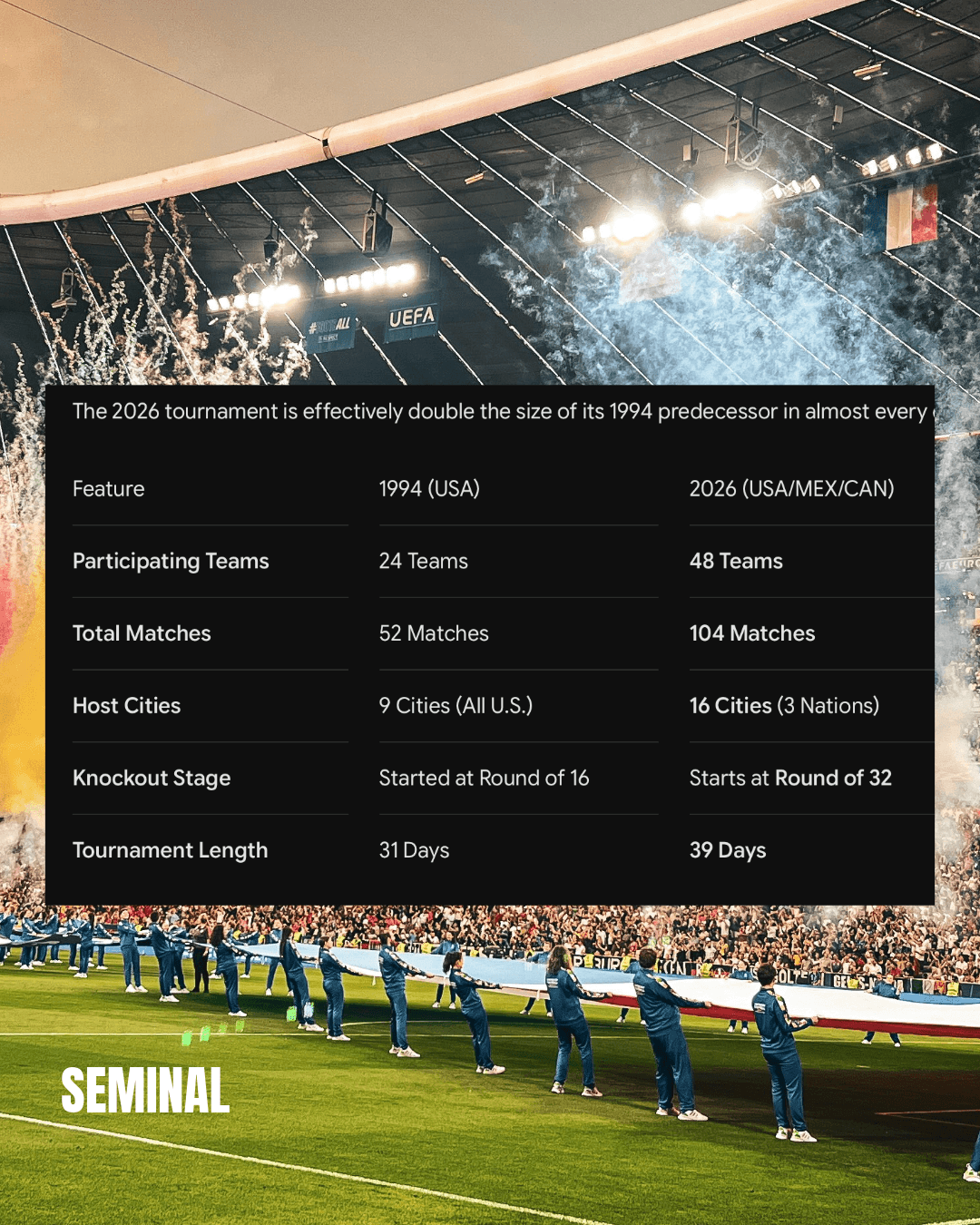
The numbers alone should be enough to communicate the scale of what starts this summer. Forty-eight teams. One hundred and four matches. Sixteen cities spread across three countries on one continent. A final at MetLife Stadium in New Jersey on July 19th, in the kind of setting that makes even the most jaded football observer stop and take stock. The 2026 FIFA World Cup is not just the biggest tournament in history. It is, by a significant margin, the most ambitious sporting event ever staged.
To understand how we got here, it helps to remember 1994. The last time the United States hosted the World Cup, the tournament ran for 31 days, featured 24 teams, and spread 52 matches across nine American cities. What FIFA has constructed for 2026 is, in the most literal sense, double that. More teams, more matches, more cities, a longer tournament, and a Round of 32 that adds an entirely new layer to the knockout format. The comparison is almost unfair to make.
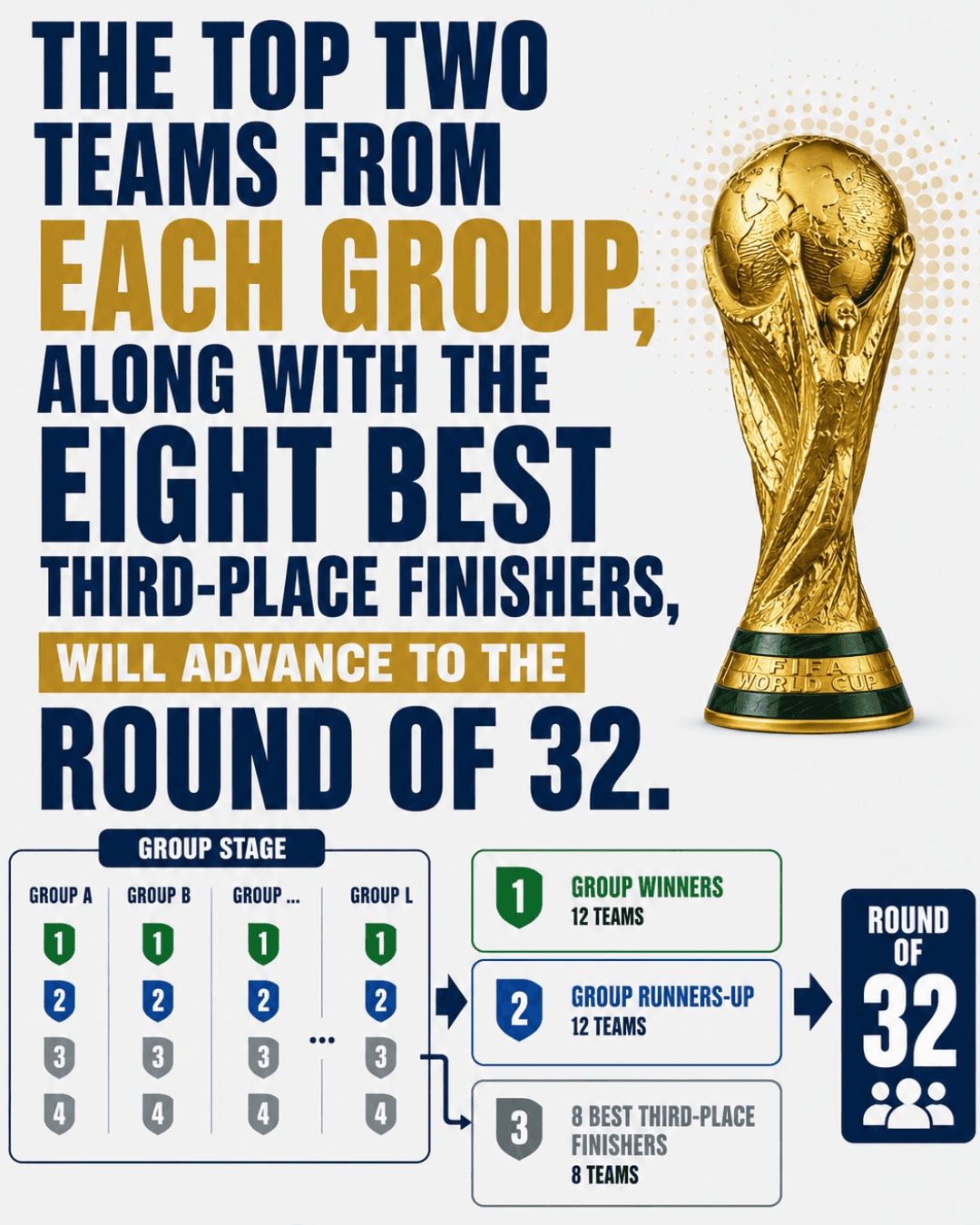
The co-hosting arrangement between the United States, Mexico, and Canada is itself unprecedented in the tournament's 96-year history. Three nations, one competition, a logistical undertaking that FIFA has been building toward for years and that will either be remembered as a visionary expansion of the sport's reach or a cautionary tale about what happens when ambition outruns infrastructure. The early signs point toward the former.
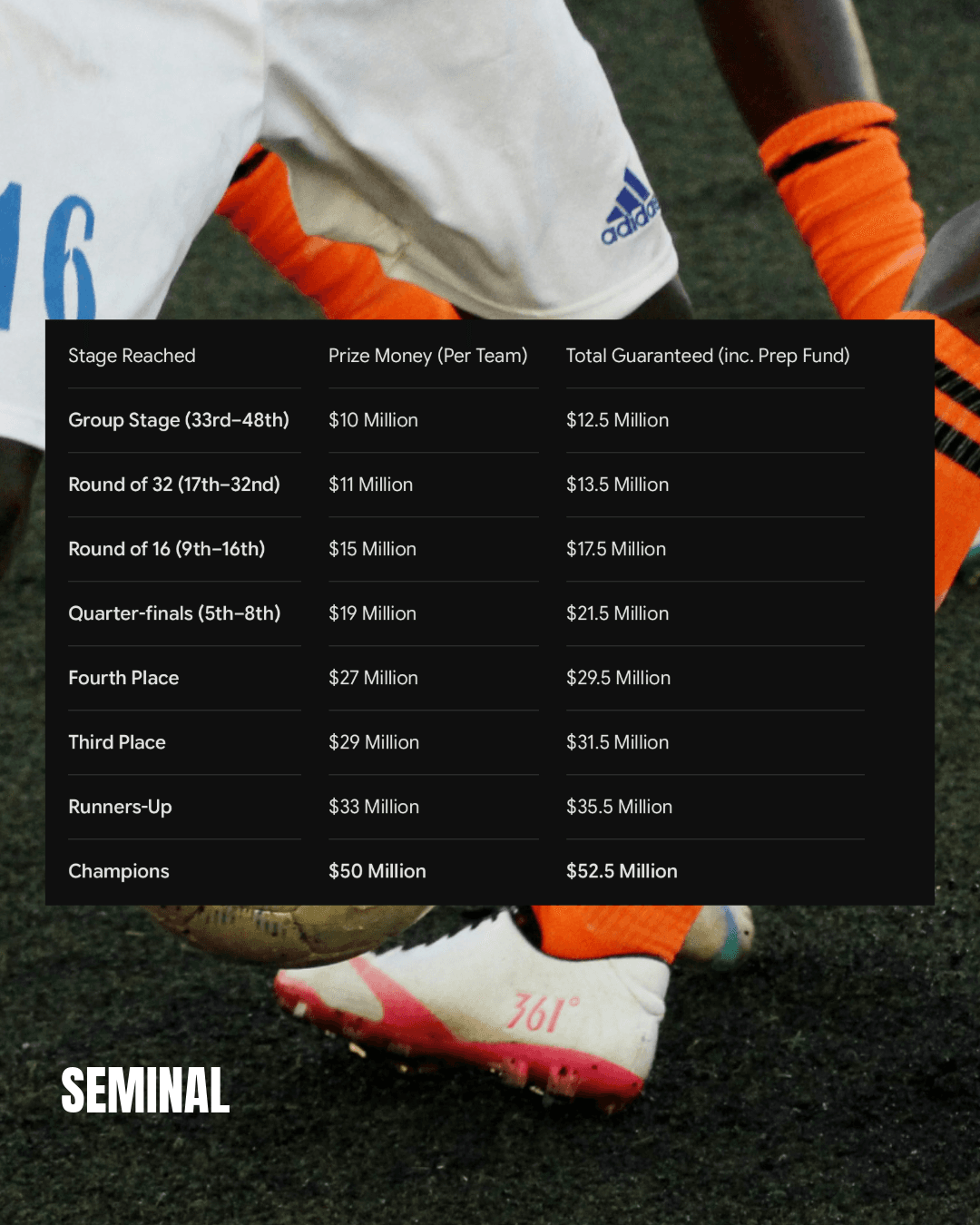
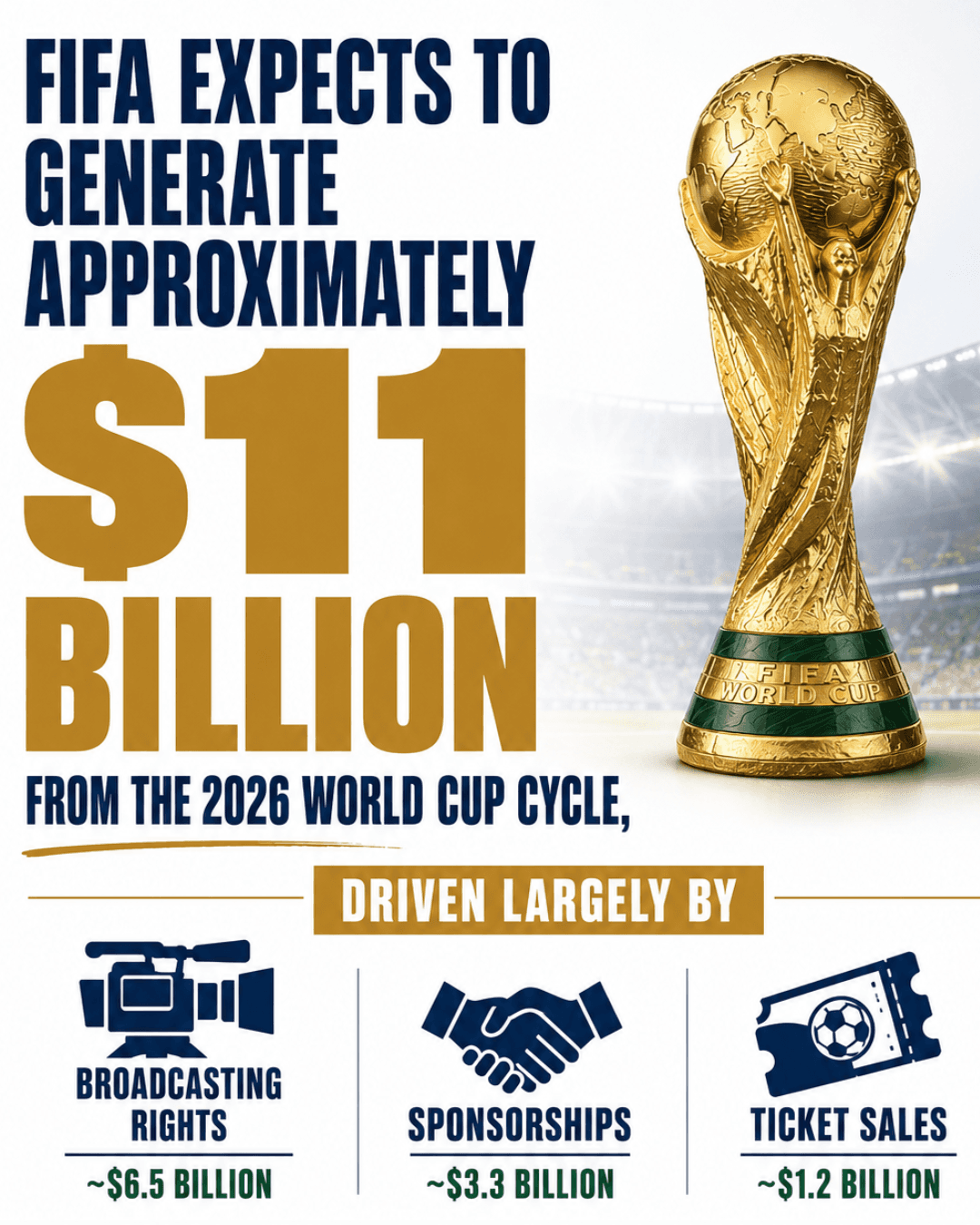
Financially, the tournament operates on a scale that would have seemed implausible a decade ago. FIFA projects approximately $11 billion in revenue from the 2026 cycle, the bulk of it driven by broadcasting rights. Prize money has scaled accordingly. Champions collect $50 million, rising to $52.5 million with the preparation fund included. Teams that exit in the group stage still walk away with $12.5 million guaranteed. For national associations in smaller football nations, qualification for this tournament is not just a sporting achievement. It is a financial lifeline.
And then there is the story that no spreadsheet can fully capture. Messi and Ronaldo, both 38 and 41 respectively this summer, will each appear at a World Cup for the sixth time, an achievement that breaks the record they currently share with several others. Messi arrives three goals behind Miroslav Klose's all-time World Cup scoring record of 16. Ronaldo, the highest international goalscorer in the history of the sport, has not scored in his last nine major tournament matches. The tension in that contrast is the kind of thing that makes football worth watching at any scale, in any stadium, across any number of cities.
July 19th. MetLife Stadium. The world will be watching.
Following SEMINAL on Instagram @Seminal.World
Discover the ideas shaping the future of business.
NEVER MISS A THING!
Subscribe and get freshly baked articles. Join the community!
Join the newsletter to receive the latest updates in your inbox.