Athleisure's DTC Takeover: How New Brands Are Rewriting the Playbook
by Charlie Louise Akintilo
The athleisure market hit $358 billion in 2023 and is headed for $662 billion by 2030. That growth isn't coming from legacy sportswear giants. It's being driven by a wave of DTC brands that figured out what Lululemon customers want next. Alo Yoga, Vuori, Gymshark, Girlfriend Collective, and Adanola are capturing market share by building lifestyle brands, not just selling leggings.
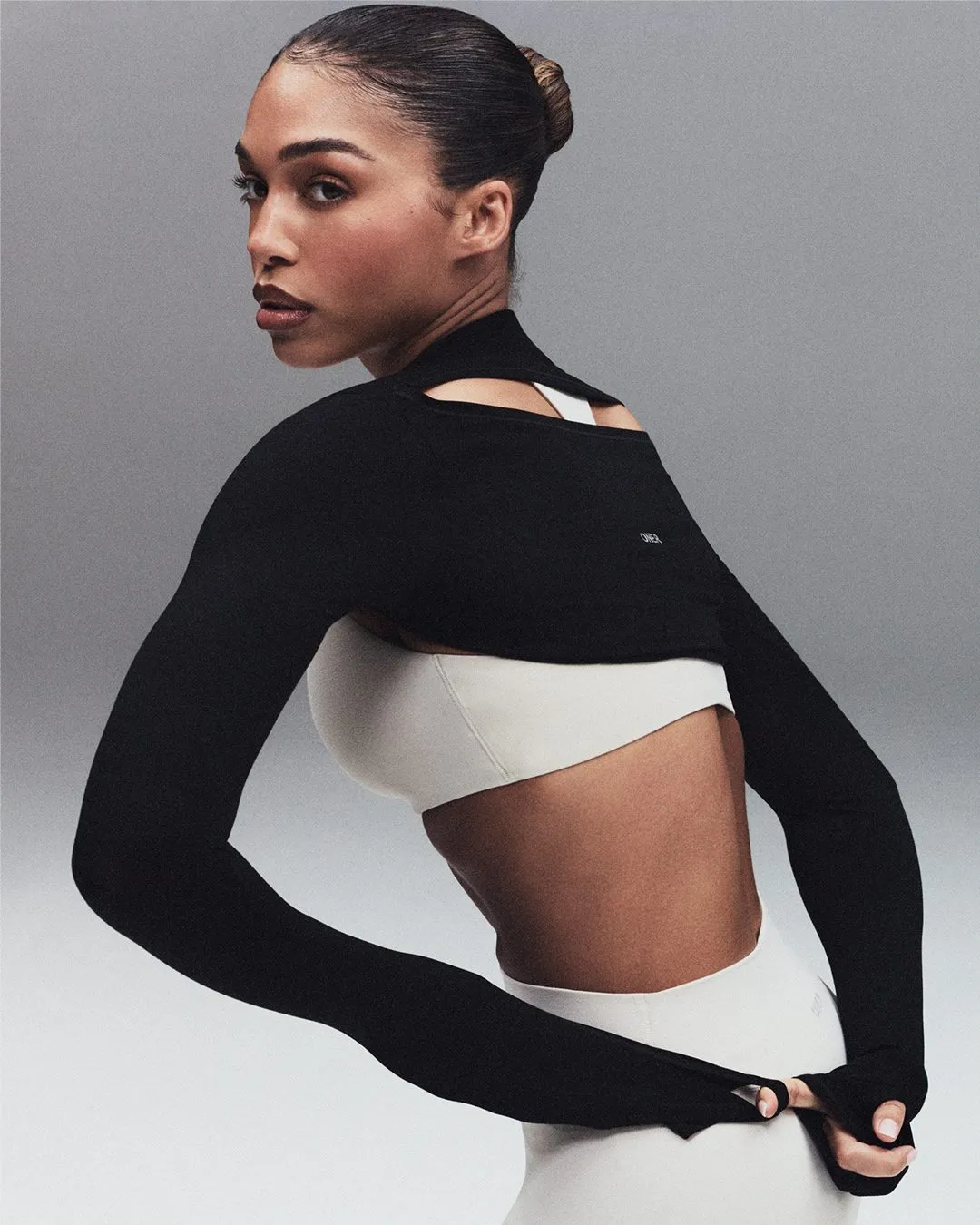
Alo Yoga went from yoga studio favorite to cultural force by treating athleisure as fashion. The LA-based brand now operates 66 stores in the U.S. alone and launched a ready-to-wear collection that positions it beyond activewear. Bottoms drive 36% to 38% of weekly revenue, but the brand's real edge is how it signals membership in a wellness lifestyle. That tie-dye tote bag you see everywhere isn't just merchandise. It's a status marker. Alo Yoga shoppers have 63% overlap with Lululemon customers, which shows they're pulling from the same demographic.
The difference is Alo feels younger, more fashion-forward, and less predictable. Vuori took a different path. Founder Joe Kudla built the brand profitably from day one because VCs wouldn't fund him in 2015. That discipline paid off. By 2021, SoftBank poured $400 million into Vuori at a $4 billion valuation. The brand has been profitable since 2017 and gained 1% market share in the past year while Under Armour lost ground. Vuori shoppers now dedicate 27.4% of their activewear spending to the brand, up from 21.6% last year. The company is opening 20 to 25 stores annually, targeting 100 locations by 2026. Vuori's model works because it prioritized wholesale early, giving it distribution scale that pure DTC brands struggle to match.
The brand shows up in Dick's Sporting Goods and JD Sports while maintaining its own retail presence and robust e-commerce.
Gymshark built a $807 million business by speaking directly to Gen Z gym culture. The UK brand started with community and influencer marketing, creating a grassroots following before scaling globally. It crossed the £600 million revenue mark in its 2024 fiscal year, marking 12 consecutive years of growth. Gymshark recently opened its first wholesale partnership with Dick's Sporting Goods after operating DTC throughout its existence. That move signals a broader shift in the category. Pure DTC doesn't scale the way it used to. Brands are realizing omnichannel is the path to $1 billion in revenue. Gymshark's pricing is accessible at $36 tees and $38 leggings, which makes it competitive with fast fashion while maintaining quality standards that keep customers loyal.
Girlfriend Collective cracked the sustainability angle in a way that resonates beyond green marketing. The brand uses recycled materials and builds its identity around inclusivity and transparency. It ranked eighth overall in recent consumer preference surveys and shows particular strength with younger generations who prioritize environmental impact alongside performance. Girlfriend Collective proves that DTC athleisure can compete on values, not just price and product. The brand's sizing inclusivity and ethical production practices create loyalty that goes deeper than transactional relationships.
Adanola is the UK's fastest-growing athleisure brand and it's coming for the U.S. market. The Manchester-based company generated $112 million in sales last year with a 202% compound annual growth rate over three years. Founded in 2015 by brothers Hyrum and Josh Cook, Adanola stayed under the radar until the pandemic hit and demand exploded. The brand sold over 1.5 million units of its signature leggings alone. Now backed by private equity firm Story3 at a $530 million valuation, Adanola is launching a major U.S. expansion. The brand's appeal is simple: elevated basics at accessible prices. Its $65 leggings are loved by Kaia Gerber, Kendall Jenner, and thousands of TikTokers, which gives it the cultural credibility that drives growth. Adanola runs small production batches and sells out fast, creating scarcity that builds demand.
The brand's wholesale strategy is selective, partnering with Selfridges, Equinox, and Soho House to reinforce premium positioning while keeping prices competitive. It's the value play in athleisure, hitting the sweet spot between quality and affordability that consumers are prioritizing in 2026.
The bigger story is how these brands are reshaping DTC economics. Lululemon dominated for years by owning its distribution and building community through stores. The new wave learned from that playbook but evolved it. They're using wholesale to reach scale faster, investing in physical retail to build brand credibility, and treating social media as infrastructure, not marketing. Fifty percent of U.S. consumers now prefer Lululemon for athleisure, but Alo Yoga and Vuori jumped to 11th and 15th place among upper-income teens, up from 35th and 24th just months earlier. That's not gradual growth. That's market disruption.
The athleisure brands winning in 2026 are the ones that figured out lifestyle positioning matters more than technical specs. Customers want clothes that move between contexts: yoga class to brunch, gym to errands, workout to work. The brands delivering on that versatility while building cultural relevance are the ones taking share. Legacy sportswear brands focused on performance. The new generation built identity.
Following SEMINAL on Instagram @Seminal.World
Discover the ideas shaping the future of business.
NEVER MISS A THING!
Subscribe and get freshly baked articles. Join the community!
Join the newsletter to receive the latest updates in your inbox.